11 Daily Habits That Give Your Kids the Best Start in Life
As a parent, you want to give your kids the best start in life, yet the world moves so fast that it’s easy to doubt whether you’re doing enough. You may question the significance of small daily decisions. During my own parenting years, I have experienced similar sentiments, particularly on days when work takes over or routines break down.
However, studies regularly reveal that children’s behaviours have a greater impact on their intellectual, emotional, and physical outcomes than anything else. Parenting becomes much more intentional and less daunting when you know what really makes a huge difference.
Create a consistent daily schedule to offer your kids the best start in life.
Raising children can sometimes be chaotic. Kids experience uncertainty and clinginess when routines change repeatedly. According to research from the American Academy of Paediatrics, children who follow defined routines experience less stress and behave better because they know what to expect.
In my own household, I’ve found that when mornings are predictable, the entire day goes more smoothly; it’s not flawless, but it’s peaceful enough for kids to do well. Set sleep and morning routines to help youngsters feel at ease, which directly contributes to their emotional stability.
Open discussion daily
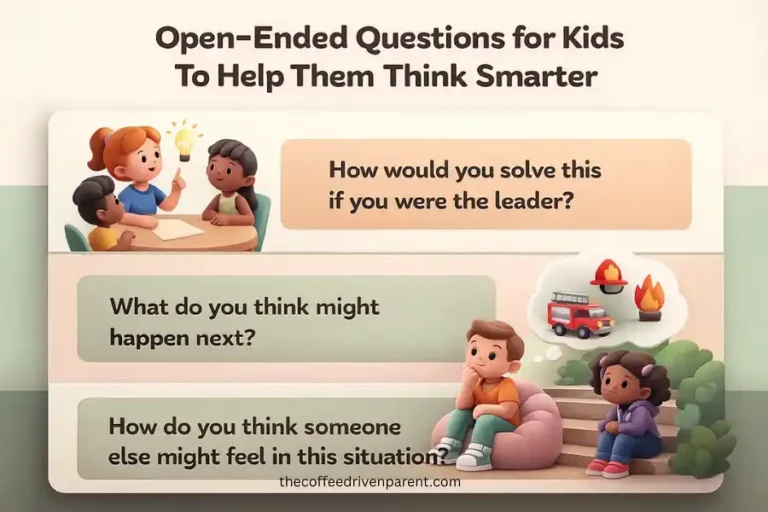
Children who repress their emotions behave out in ways that appear arrogant, but this is typically due to emotional overload. According to Harvard’s Centre on the Developing Child,

When my children were younger, I made it a routine to sit with them for a little while before going to bed to find out how their day went. Conversations that I wasn’t aware they required were made possible by those moments. Your child learns that their opinions count when you create an environment where they feel heard.
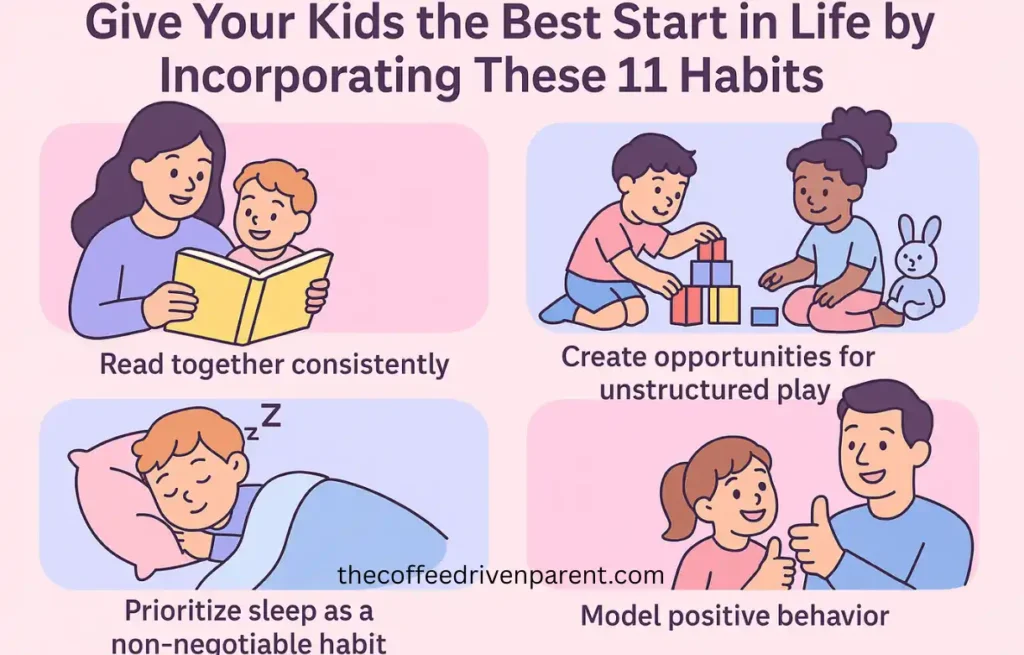
Regularly read together
Reading rewires children’s brains for lifetime learning in addition to preparing them for school. Children who are read to every day do better academically and show more concentration. Reading a quick chapter kept the habit going, even on tired nights. My kids eventually began bringing the books to me without my request. Reading aloud increases creativity, language learning, and emotional connection.
Use age-appropriate activities to teach responsibility.
Children don’t develop their own sense of responsibility. Every day involvement teaches them to take responsibility. Children who finished home duties early in childhood were more likely to grow up to be independent adults with good emotional and academic skills, according to a long-term University of Minnesota study.
I was worried that tasks would overwhelm my children when I initially introduced them, but instead, they felt capable and responsible. Children learn that their actions matter through simple duties like helping to prepare the table or cleaning toys.
Make time for unstructured play.
Free play is becoming less common in a society full of devices and scheduled activities. Unstructured play increases creativity, improves problem-solving abilities, and reduces anxiety, according to research published in the Journal of Paediatrics.
I’ve seen my children construct whole imaginative worlds with everyday household objects. Playing unsupervised by adults typically yields the most significant learning experiences for them. Independence and self-motivation are promoted by unrestricted discovery.
Make getting enough sleep a priority.
Almost all aspects of a child’s development are impacted by sleep. Children who don’t get enough sleep show increased irritability, concentration issues, and academic difficulties. When my son experienced mood swings, they went away after we changed his bedtime, regular sleep schedules, peaceful wind-downs, and dark rooms. These changes helped his brain’s development, maintenance, and processing of new knowledge, which can give your kids the best start in life.
Model positive behavior instead of preaching it
More often than not, kids mimic what they observe. Observational learning has a significant effect on behaviour. I was reminded that children listen with their eyes when I first heard my toddler repeat a frustrated statement I had made earlier that week. They absorb traits like kindness, patience, and resiliency when they witness them. Lecturing is not nearly as successful at teaching as modelling.
Teach social skills through everyday interactions.
For long-term success, social skills are essential. According to a 20-year Duke University study, kids who had good social skills in kindergarten were more likely to finish high school, form wholesome relationships, and handle stress well as adults. Small, regular encounters like greeting neighbours, helping classmates, or taking turns during games were more beneficial to my kids than big social events. These small things cultivate empathy and self-assurance, giving kids the best start in life.
Integrate healthy eating habits naturally.
When eating healthfully feels organic rather than forced, it gets easier. Children who assist with meal preparation are more willing to try new foods and develop long-term good eating habits. My children grew less reluctant and more inquisitive when I let them into the kitchen, even if it was merely to wash veggies or combine recipes. Shared eating rituals and regular exposure provide a long-lasting impact, giving kids the best start in life.
Nurture curiosity with hands-on learning.
Motivation and deeper learning are fuelled by curiosity. Children who explore freely show greater cognitive progress and resilience when faced with adversity. Observing my children explore the outdoors or do basic home science experiments is one of my favourite memories. Stimulating inquiry, investigation, and practical experiences boosts kids’ confidence and problem-solving skills, giving kids the best start in life.
Practice daily gratitude by giving kids the best start in life.
Gratitude affects mental and emotional well-being. Children who consistently express gratitude have higher levels of pleasure, empathy, and emotional stability. Our talks gradually shifted from complaints to gratitude once we started sharing one thing each night we were thankful for. Gratitude helps children develop emotional equilibrium and concentrate on positive experiences.
Give Your Kids the Best Start in Life by Taking Small Steps Daily
It’s simple to get sucked into comparisons or feel pressured by unreasonable demands when you’re trying to give your children the best start in life. However, parents don’t have to be perfect. Consistency, kindness, communication, and helpful behaviours that fortify their hearts and minds are what they thrive on. They are shaped by the simple things you do every day.
FAQs About “Give Your Kids the Best Start in Life”
1. How can I give my kids the best start in life?
Focus on consistent routines, emotional support, healthy habits, and open communication. Small daily practices build long-term confidence and resilience.
2. What habits help kids succeed in life?
Reading, responsibility, emotional expression, social skills, curiosity, sleep, and balanced nutrition play key roles in long-term success.
3. How important is early childhood for giving kids the best start in life?
Early childhood lays the foundation for brain development, behavior, and emotional patterns. Positive habits and nurturing relationships have a lasting influence.
4. Does reading daily really help give kids the best start in life?
Yes. Daily reading builds language skills, imagination, and school readiness while strengthening parent-child bonding.
5. Can routines help give kids the best start in life?
Routines reduce stress, improve cooperation, and build emotional security by helping children know what to expect.
6. How do I build confidence to give my kids the best start in life?
Encourage manageable challenges, praise effort over perfection, and model calm problem-solving so children learn from your example.
7. Are chores helpful for children’s development?
Chores build responsibility, independence, and teamwork. Kids feel more capable when they contribute meaningfully to daily tasks.
8. How does sleep affect giving kids the best start in life?
Sleep supports brain development, emotional regulation, and learning. Well-rested children focus better and respond calmly.
9. What role does play have in giving kids the best start in life?
Play develops creativity, problem-solving, and social skills. It allows children to learn naturally and manage stress.
10. How can I support my child emotionally?
Listen actively, validate their feelings, and stay present. Emotional safety encourages children to express themselves confidently.