10 Proven Self-Esteem Activities for Kids for Confidence
Parents and teachers share the desire to raise self-assured kids who believe in their own skills. But low self-esteem affects many children and can affect how they develop overall. This article examines successful self-esteem activities for kids, focusing on practical, empirically supported strategies that can be incorporated into everyday routines to promote resilience and a positive self-image.
Low Self-Esteem in Children
A child’s low self-esteem can manifest in several ways, including fear of failure, social withdrawal, hesitation to try new things, or dependence on validation from adults. Children with low self-esteem may experience emotional, social, and academic difficulties as adults, according to research.
The Impact of Low Self-Esteem
Low self-esteem can have severe effects on a child’s development in several areas. Children who have low self-esteem may avoid group activities and suffer from anxiety and despair. They might also struggle to make friends and perform poorly in school. Not only is the agitation emotional, but it also has real consequences for their present and future health.
Practical Self-Esteem Activities for Kids
Including self-esteem activities for kids in their daily routine can significantly boost their self-esteem and confidence. These are research-backed, doable, and straightforward exercises.
1. Positive Affirmations
Children’s mindsets can be significantly impacted by practicing positive affirmations. Children can more easily overcome negative feedback if they use positive self-talk, according to a University of California study.
Example
Every morning, have kids list three things they appreciate about themselves or three things they accomplished well the day before.
2. Goal Setting
Children who set attainable goals are better equipped to see how they will succeed. Their self-esteem will increase if they accomplish these objectives.
Example. Give your youngster a straightforward, attainable objective, such as doing a puzzle or reading a new book every week.
3. Skill Development
A child’s sense of competence might increase as they pick up new skills. Children who participate in a variety of activities are more likely to develop a positive self-image, according to the American Psychological Association.
Example. Sign up your child for a cooking class or a basic do-it-yourself project at home.
4. Physical Activity
Regular physical activity is not only excellent for the body but also for the mind. It has been demonstrated to increase mood and self-esteem.
Example. For instance, encourage your youngster to take part in family bike trips or join a sports team.
5. Social Skills Activities
Having good social skills is necessary for boosting self-esteem. Youngsters who exhibit self-assurance in conversations are probably more secure in themselves.
Example. Role-playing games, for instance, allow kids to practice discussions, introductions, and other social situations.
6. Artistic Expression
Children can express their thoughts and feelings creatively and safely through art, which can be powerful.
Example. For instance, please provide your child with a variety of art supplies and allow them to create at will. Show off the value of their artwork at home.
7. Community Involvement
Participating in community service can make children feel more connected and valuable.
Example. Volunteer as a family at a local food bank or community garden.
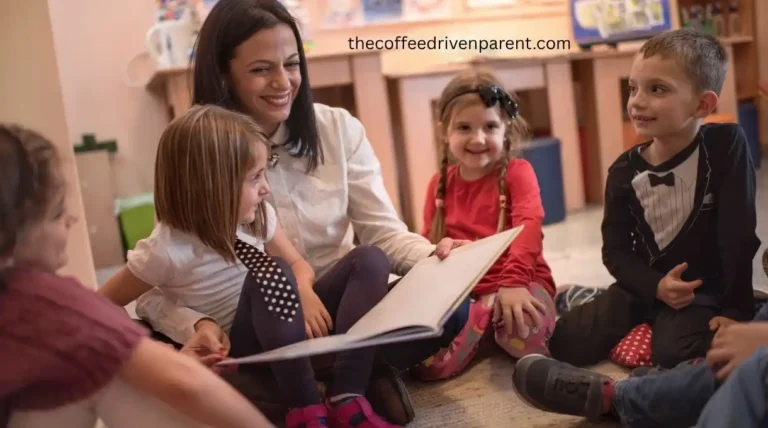
8. Reading and Storytelling
Stories are a powerful way to build empathy and self-awareness. They can also showcase characters overcoming adversity, which can be motivational.
Example. Choose books with strong, positive protagonists, and discuss the challenges they face and overcome.
9. Feedback and Encouragement
Balanced feedback that focuses on effort rather than outcomes helps children learn to value their own effort rather than just the results.
Example. Praise your child not only for winning but for how hard they worked, regardless of the outcome.
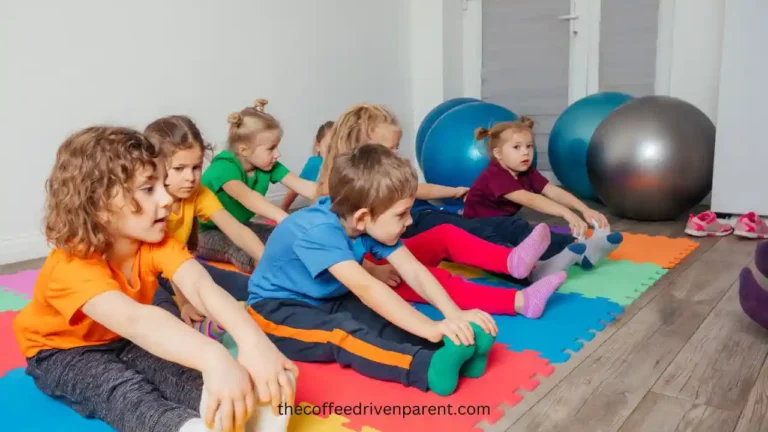
10. Mindfulness and Relaxation
Teaching children mindfulness can help them manage stress and build a foundation of inner peace.
Example. Practice simple breathing exercises or yoga poses together each morning.
In conclusion
The goal of integrating self-esteem activities for kids into their everyday lives is to build resilience and confidence that lasts a lifetime, not merely to make them have fun. Children benefit from these activities by learning to value themselves, accept their individuality, and confront the world with courage.
FAQs: Self-Esteem Activities For Kids
What are self-esteem activities for kids?
Children’s self-esteem exercises include positive affirmations, goal-setting, skill-building, physical exercise, role-playing social skills, artistic expression, community service, reading empowering stories, getting fair criticism, and mindfulness. Children who participate in these activities develop confidence and a healthy self-image.
How do self-esteem activities for kids impact children?
Children who participate in self-esteem activities benefit from increased confidence and self-worth. Through these exercises, children learn to embrace their individuality, deal with setbacks, and identify their strengths, which improves their social skills, academic achievement, and emotional fortitude.
What are some quick self-esteem boosts for kids?
Giving children choices to promote independence, applauding their efforts, acknowledging minor accomplishments, establishing realistic objectives, promoting positive self-talk, and spending quality time with them one-on-one are all quick ways to enhance their self-esteem. They can feel happier and more confident right away if they do these things.
Can self-esteem activities for kids help at school?
Indeed, self-esteem exercises can have a significant positive impact on academic achievement. They support children in gaining resilience, confidence, and an optimistic outlook—all of which are essential for overcoming obstacles in the classroom, engaging in class, and enhancing social relationships. Students are empowered to succeed academically and socially through these programs.
How often should children engage in self-esteem activities for kids?
Children should practice building self-esteem regularly, preferably every day. Regular practice fosters resilience and supports constructive self-perceptions. Over time, incorporating small, manageable tasks into everyday routines—like saying encouraging things in the morning or reflecting on achievements at night—can help children become more confident.
Are self-esteem activities for kids beneficial for all ages?
Yes, self-esteem activities are beneficial for all ages. They help improve confidence and self-worth across the lifespan, enhancing personal growth, reducing stress, and enhancing overall mental health. For adults and seniors, these activities can reinvigorate a sense of purpose and ability to handle life’s challenges.
What is the best time to start self-esteem activities for kids?
Early childhood is the ideal time to begin self-esteem activities because this is when the foundational attitudes and ideas about oneself are formed. These activities are helpful throughout adolescence and even into adulthood because self-esteem may be developed and enhanced at any age. This means that it’s never too late to start.
How do parents participate in self-esteem activities for kids?
Parents can help their children develop self-esteem by interacting with them, giving them encouraging remarks, and modeling confidence. In addition, they can support goal-setting, encourage emotional conversations, and acknowledge their child’s accomplishments, all of which serve to emphasize the value of hard work and personal development.
Can self-esteem activities for kids reduce anxiety in children?
Yes, by increasing children’s confidence and sense of competence, self-esteem exercises can help them feel less anxious. By participating in these activities, children learn to handle difficulties and social situations more skillfully, which reduces anxiety and enhances overall emotional resilience.
What are the signs that these self-esteem activities for kids are working?
Increased willingness to try new things, more positive self-talk, stronger social connections, greater independence, and resilience in the face of disappointments are all indicators that self-esteem exercises are working. Children may also perform better academically and exhibit greater happiness and contentment in their day-to-day activities.