20 Fun Solo Activities for Kids That Keep Them Busy for Hours
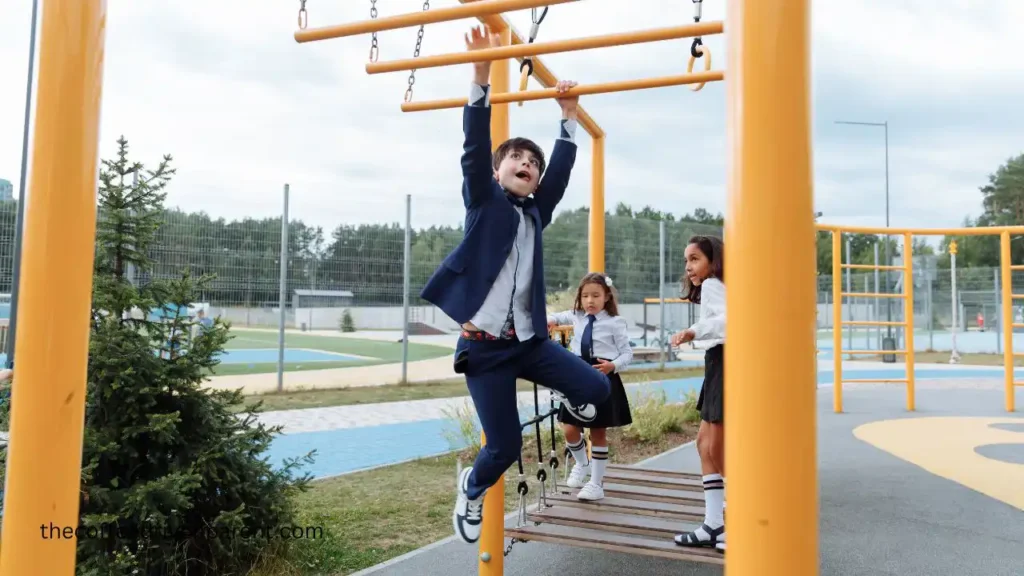
As a mom, I often have to juggle a lot of responsibilities while making sure my child is interested and learning. During these periods, solo activities changed the game’s dynamics. They keep my youngster occupied while also nurturing their independence and cognitive growth. The following are some of the top solo activities for kids.
Limitations on the Impact of Independent Play
A lack of opportunities for solo activities can lead children to become overly dependent on external stimuli. This need could hamper their ability to self-soothe, solve problems, and grow creatively. Also, their natural interest and passion for exploration may potentially be suppressed by constant supervision.
Taking Up Solo Activities for Kids to Develop Emotional Skills
Your kids’ development can benefit from solo activities for kids in a great way, as resilience, creativity, and problem-solving abilities are all increased by independent play. When your child spends time in a more structured way, it is associated with improved self-directed executive function (self-control and planning) later in childhood, according to a research.
- Kids can learn self-calming techniques through solo activities for kids.
- They learn how to deal with boredom and strong emotions by playing alone.
- When they resolve small issues themselves, they become more self-assured.
- They can think and use their creativity when they play quietly by themselves.
- Kids’ bodies are strengthened by active-only activities like dancing, running, and jumping around.
- Playing by yourself outside increases coordination and balance.
- Playing alone with your hands (painting, building blocks, puzzles) strengthens your hands and fingers.
- They can learn what their bodies can do safely by moving and exploring on their own.
Here are 20 solo activities for kids
Drawing and Colouring Time
Simple colouring and drawing are among the best solo activities for kids. Give your kids markers, crayons, or paper. Let them sketch anything they like, such as dreams, family, or animals. This activity increases calmness, creativity, and attention, and you can discuss their photos with them afterwards.
Construction using Blocks
Children can engage in quiet, solitary activities by building with blocks. Kids can design entire cities, residences, or towers. It improves fine motor skills, patience, and problem-solving abilities. To keep children inspired and involved on their own, you can provide easy challenges, like creating the highest tower.’
Reading Picture Books
One of the simplest things for children to do alone is to read. Put some of your favourite books in a comfortable nook with canvases. They appreciate stories and visuals even if they can’t read every word. As they investigate stories on their own, this increases independence, creativity, and linguistic abilities.
Pages of Sticker Art
Another entertaining choice for kids’ solitary activities is to use sticker books. Give them a piece of blank paper and a sheet of stickers. They can construct narratives, settings, or patterns. This easy exercise helps young hands stay occupied, develop their focus, and practise making decisions without continual support from adults.
Puzzle Time
For kids, jigsaw puzzles are a traditional solo activity. For smaller kids, pick puzzles with bigger pieces that are suitable for their ages. They develop patience and problem-solving skills as they match shapes and colours. While playing quietly by themselves, finishing the painting conveys a great sense of confidence and success.
Scavenger Hunt in Nature Indoors
Kids can engage in solitary activities with a basket filled with leaves, stones, and shells. Allow your youngster to arrange things according to texture, size, or colour. They can arrange them in a row, construct scenes of nature, or make patterns. It’s a peaceful, sensory method of self-discovery and education.
Playdough Creations
One of the most attractive solo hobbies for children is playdough. Provide a few colours and basic utensils, such as cookie cutters or plastic spoons. Kids can create fake meals, animals, and shapes. While they joyfully play by themselves at the table, this increases inventiveness, hand strength, and concentration.
Listening to Audiobooks
For children, tale podcasts or audiobooks make excellent peaceful, alone activities. Set them up with a basic player and secure headphones. They can hear stories about adventures, fairy tales, or lessons. This gives parents a quiet respite at home while developing language, listening skills, and creativity.
Simple Journaling
Kids can create engaging solo activities with just a little notebook and a pencil. They can doodle, create simple words, or practise letters. Invite them to illustrate their day, emotions, or favourite items. This helps kids express their emotions, develop their early writing abilities, and enjoy their alone time.
Games for Sorting and Matching
Kids can easily sort buttons, beads, or coloured blocks by themselves. Request that they form groups based on shape, size, or colour. Additionally, they can create red-blue-red patterns. These little exercises calmly and independently build fine motor control, reasoning abilities, and attention to detail.
DIY Card Making
One of the cutest things youngsters can do on their own is make cards for friends and family. Give them crayons, stickers, stamps, and folded paper. They can create “just because,” “then”-you, and birthday cards. As they consider the individuals they care about, it develops generosity, creativity, and peaceful concentration.
Playing Shadow with Toys
Make shadow-based solo activities for children using a torch and small objects. Children may see shadows on the wall by placing toys close to the light in a dimly lit room. They can see shapes, move them, and tell stories. This uses simple instruments to stimulate imagination and curiosity.
Treasure Box Exploration
Make a little “treasure box” for your children as a routine solo activity. Stuff it with intriguing, secure items like ribbons, smooth stones, small toys, or keys. Allow your kid to open it and investigate. They can pretend, organise, and sort, developing their creativity and capacity for independent play.
Partying by Yourself
One of the happiest solo pastimes for children is a solo dance party. Play entertaining music and let them to spin, leap, or dance in a secure area. They can utilise scarves, create their own moves, or mimic others. It increases mood, burns energy, and strengthens self-esteem.
Magnetic Letters on the Fridge
Magnetic letters make learning-based solo activities for elementary kids. Children can spell and make silly “words,” or arrange letters by colour. Younger kids may enjoy sticking and moving pieces. It supports early literacy skills and keeps them happily busy in the kitchen while you cook.
Solo Board Games Adapted
For children, some board games can be transformed into solo activities. For instance, kids can play memory match by themselves, trying to beat their highest score. Additionally, they can practise moving pieces and rolling dice. Patience, math abilities, and the capacity to follow rules on one’s own are all enhanced by this.
Using Water to Paint a Chalkboard
Kids can have a mess-free solo performance “vitie” with water and a paintbrush on a chalkboard or sidewalk. They “paint” with water, wait for it to dry, and then begin again. They are able to sketch simple pictures, letters, and shapes. It’s safe, reusable, and soothing, especially in a play area or on warm days outside.
Creating a Mini Library
As a solitary pastime, arranging books into a miniature library is entertaining and useful for children. You can request them to organise books by topic, colour, or size. They can queue up, stack and show their favourites. Later on, this makes reading areas more welcoming and teaches tidying and taking care of possessions.
Constructing a Toy Car Park
One of the most thrilling things youngsters can do on their own is design vehicle tracks. They can construct parking lots, roads, and bridges using cardboard, tape, or blocks. After that, kids explore their creation in toy cars. While kids maintain a laser-like focus on play, this increases creativity, planning abilities, and autonomous problem-solving.

Including Solo Activities for Kids in Everyday Life
To successfully incorporate solo activities for kids:
- Set Up a Specific Area. Set up a friendly, safe area with easily accessible materials.
- Make a habit. Include solo playtime in the daily schedule to promote regularity.
- Give options. Let children choose their own activities to develop self-reliance and discernment.
- Show support. Reward effort and recognise achievements to boost self-esteem.
TAKEAWAY
If you include kid-only activities in your child’s daily calendar, their routine may vary. In addition to providing parents with much-needed relaxation, these activities help children grow into independent, creative, and resilient individuals, promoting an environment that encourages and nurtures independent play. We establish the foundation for our kids’ overall growth.
FAQs About Solo Activities for Kids
What are the benefits of solo activities for kids?
Activities done alone develop self-reliance, inventiveness, and problem-solving abilities. Let kids pursue their hobbies at their own speed, so they help them build resilience and self-assurance.
At what age can children start engaging in solo play?
At six months of age, children can start playing alone for brief periods, gradually extending as they mature and develop longer attention spans.
How long should solo play sessions last?
Depending on their attention and energy levels, older kids may enjoy 30 minutes or longer, while toddlers may be involved for only 5 to 10 minutes.
What are some examples of solo activities for kids?
Examples include reading, colouring, building with blocks, puzzles, and imaginative play, such as putting up a miniature business or cooking.
How can I encourage my child to play alone?
Using easily accessible resources, create a secure and welcoming play area. Begin with well-known activities, then progressively add new ones while recognising individual efforts.
Are solo activities for kids suitable for all children?
Although most kids benefit from playing alone, everyone has different tastes. Adapt activities to each person’s interests and stage of development to guarantee participation.
Can solo activities for kids help with my child’s focus and attention?
Indeed, youngsters who work alone are better able to focus and pay attention because they learn how to focus without outside guidance.
Do solo activities for kids support academic learning?
Reading and educational games are two examples of solitary activities that strengthen academic abilities while encouraging cognitive growth and a love of learning.
How do solo activities for kids impact social skills?
While solo play focuses on individual engagement, it also allows children to process social experiences and develop empathy through imaginative scenarios.
What role do parents play in solo activities for kids?
Parents should provide a supportive environment, offer appropriate materials, and encourage independence while remaining available for guidance if needed.