Why Do People Make Fun of Me? How It Affects Kids’ Emotional Health
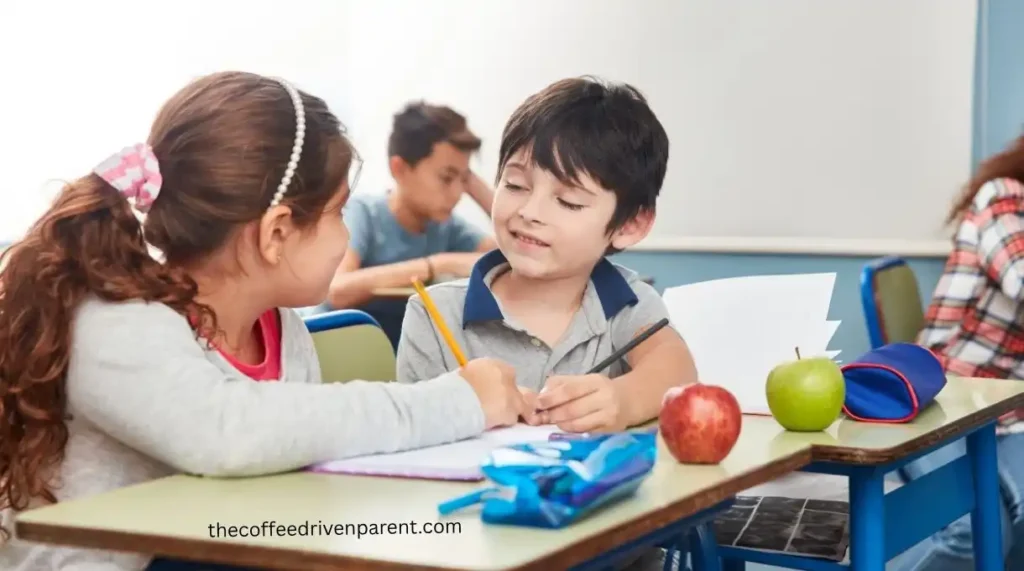
It’s not easy being a kid, and sometimes one of the toughest parts is dealing with how others treat us. If you’ve ever found yourself wondering, “Why do people make fun of me?” or feeling like you’re being laughed at for no reason, you’re not alone.
As kids, we face many challenges, and one of the hardest is dealing with bullying, being made fun of, or even simple jokes that go too far. But what many people don’t understand is how much this kind of behaviour affects a child’s emotional health.
Why Do People Make Fun of Me?
It can be hard to understand why people make fun of others, especially when it feels like they are just being mean for no reason. The truth is, when people make fun of you, it’s often more about them than it is about you.
Some kids tease others to make themselves feel better or fit in with their friends. Others might not even realise the impact their words can have. But no matter the reason, being made fun of can leave you feeling sad, angry, or confused.
Many kids experience teasing about things like their appearance, the way they talk, or even the things they enjoy. The reason behind being made fun of can vary – it might be due to differences in interests, physical traits, or simply because someone is looking for a way to make themselves feel superior. The thing is that it isn’t your fault.
How Making Fun of Me Affects My Emotional Health
Being made fun of is more than just an unpleasant experience. It can have a lasting impact on a child’s emotional health. Kids who are often the target of teasing or bullying start to develop negative feelings about themselves. They feel worthless or believe that something is wrong with them. This is especially true if the teasing is repetitive and persistent.
Studies show that bullying, which includes making fun of others, can lead to long-term mental health issues. According to the American Psychological Association (APA), children who experience bullying are at a higher risk for depression, anxiety, and other emotional challenges. Kids who are bullied are more likely to experience suicidal thoughts and behaviour as they grow older.
This emotional toll isn’t just limited to the bullying itself. When kids are teased or made fun of, they often start avoiding social situations to protect themselves from further hurt. They might stop going to school, playing sports, or hanging out with friends. This can lead to feelings of isolation, which only worsen the emotional stress.
For example, imagine you’ve been teased for wearing glasses. At first, it might just sting a little. But if it keeps happening, you might start avoiding social situations. Maybe you refuse to join in group activities or stop talking to people because you’re worried that someone will make fun of your glasses again. This is a clear example of how teasing can cause emotional harm, pushing a child into isolation, which is one of the biggest red flags for mental health issues.
How to Protect Yourself and Build Confidence
So, what can you do if you’re wondering, “Why do people make fun of me?” and feeling hurt by it? There are ways to protect your child’s emotional health and build confidence in the face of teasing.
1. Recognise That It’s Not About You
First, remember that the problem lies with the person making fun of you, not with you. When someone teases you, it’s usually a reflection of their own insecurities or a desire to feel more powerful. They might be trying to get attention or fit in with others. Understanding this helps take some of the sting out. What they say doesn’t define who you are or what you’re worth.
2. Talk to Someone You Trust
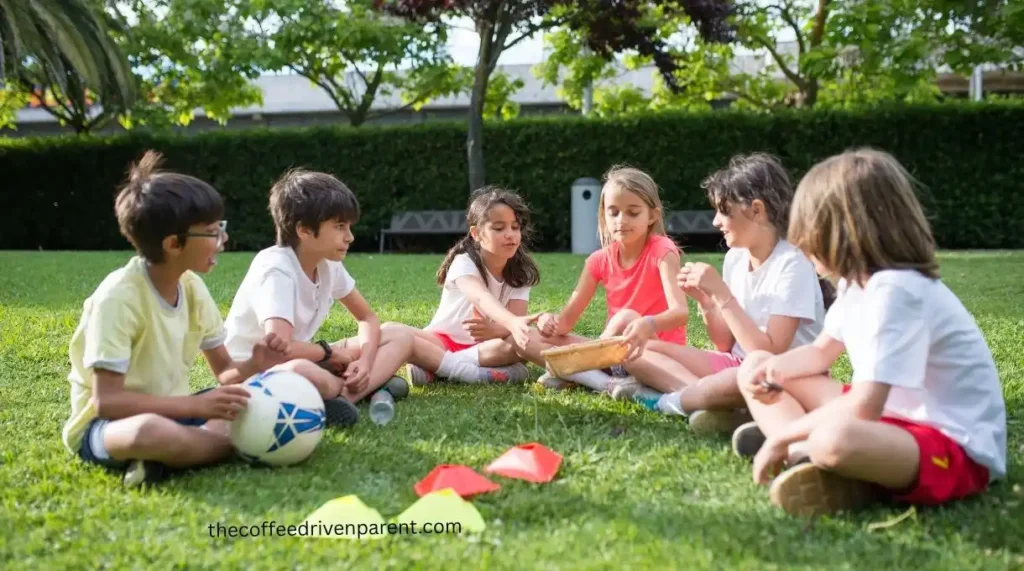
Sometimes, keeping things bottled up inside makes the emotional pain worse. If you’re feeling hurt or confused, talking to someone you trust can help. This could be a parent, teacher, counsellor, or close friend. Talking about your feelings allows you to process them and realise you’re not alone. It’s essential to have a support system that listens and offers advice on handling difficult situations.
3. Build Your Confidence
The more confident you feel about yourself, the less power teasing will have over you. Building confidence takes time, but there are small steps you can take. Focus on what you’re good at — like a hobby or a sport — and make time for it. Celebrate your successes, no matter how small they seem. When you feel proud of yourself and your abilities, it becomes harder for others’ opinions to bring you down.
One way to build confidence is by practising self-affirmations. Tell yourself positive things every day, like, “I am strong,” “I am unique,” or “I am worthy of respect.” It may feel strange at first, but over time, you’ll start to believe it. This simple practice can make a big difference in how you view yourself.
4. Set Boundaries
If someone keeps making fun of you or crosses a line, it’s essential to set boundaries. You can calmly tell them that you don’t like it when they tease and ask them to stop. Setting boundaries shows that you value yourself and your feelings. It’s also a way to teach others how they should treat you. If the teasing continues despite your asking them to stop, it might be time to involve an adult, like a teacher or counsellor, to help resolve the situation.
5. Get Involved in Positive Activities
Being around people who lift you and make you feel good about yourself can counteract the adverse effects of teasing. Whether it’s a sports team, a creative group, or just spending time with supportive friends, positive activities help you build connections with others who appreciate you for who you are. These kinds of experiences help protect your emotional health and remind you that you are more than the teasing.
6. Seek Professional Help If Needed
If the emotional effects of being made fun of are too overwhelming or you’re feeling really down, it might be a good idea to talk to a professional. Therapists or counsellors can help kids process their emotions and develop strategies for coping with bullying or teasing. There’s no shame in asking for help when you need it – it’s a sign of strength, not weakness.
Taking Control of Your Emotional Health
It’s normal to feel “Why do people make fun of me?” when you’re the target of teasing. But the hurtful things others say don’t define you. You deserve to feel good about yourself, no matter what anyone else says.
The problem lies with them, not with you, and you need to take steps to protect your emotional health. Building confidence, talking to someone you trust, setting boundaries, and getting involved in positive activities can help you take back control and stop teasing from affecting your self-worth.
If the teasing becomes too much to handle on your own, don’t hesitate to reach out for help. Your emotional health matters, and some people care about you and want to help you through it. Don’t let don’ts, jokes, or cruel words hold you back from being the fantastic person you are. You’re valuable, and you deserve to be treated with respect.
FAQs about Why do people make fun of me?
Why do people make fun of me?
People may tease others to feel better about themselves or because of their own insecurities.
How can teasing affect a child’s emotional health?
Teasing can lead to feelings of sadness, anxiety, and low self-esteem, impacting overall well-being.
What should I do if someone teases me?
Talk to a trusted adult, engage in activities that boost your confidence, and practice positive self-talk.
Is it normal to feel upset when teased?
Yes, it’s normal to feel upset. Acknowledging your feelings is the first step in coping.
Can teasing lead to long-term emotional issues?
Persistent teasing can contribute to long-term issues like depression and anxiety if not addressed.
How can parents help their children cope with teasing?
Parents can provide support, encourage open communication, and help develop coping strategies.
Are there resources for children dealing with bullying?
Yes, many schools and communities offer counselling services and support groups for affected children.
What are some signs that a child is being affected by teasing or being made fun of?
Signs include withdrawal from social activities, behavioural changes, and declining academic performance.
How can schools prevent teasing, bullying, and being made fun of?
Schools can implement anti-bullying programs, promote inclusivity, and encourage open communication.
When should a child seek professional help for emotional issues, such as being made fun of?
If feelings of sadness, anxiety, or hopelessness persist, it’s essential to consult a mental health professional.