8 Genius Ways to Use Emotion Wheel for kids to Express Feelings
As a parent or teacher, you may often be confused by the range of emotions that kids display. I’ve discovered that the emotion wheel for kids is an essential aid for negotiating these difficult situations. Children’s emotional awareness can be greatly improved by this tool, which provides an organised method for recognising and discussing emotions.
Kids’ Uncharted Emotional Territories
From my observations, a common challenge kids face is the inability to understand and express their feelings fully. Children who lack the proper vocabulary become overwhelmed by their emotions, leading to confusion, irritation, and tantrums. Their social connections, academic performance, and emotional well-being are affected.
Why Misunderstanding Emotions Affects Development
Early emotional intelligence has been shown to predict future success. In the “Journal of Public Health,” a study found that children who learn to identify and control their emotions early on are more likely to succeed academically and engage in healthy social interactions. However, many kids lack the resources needed to manage this challenging aspect of their lives, which can increase feelings of miscommunication or loneliness.
Implementing the Emotion Wheel for Kids in Daily Life
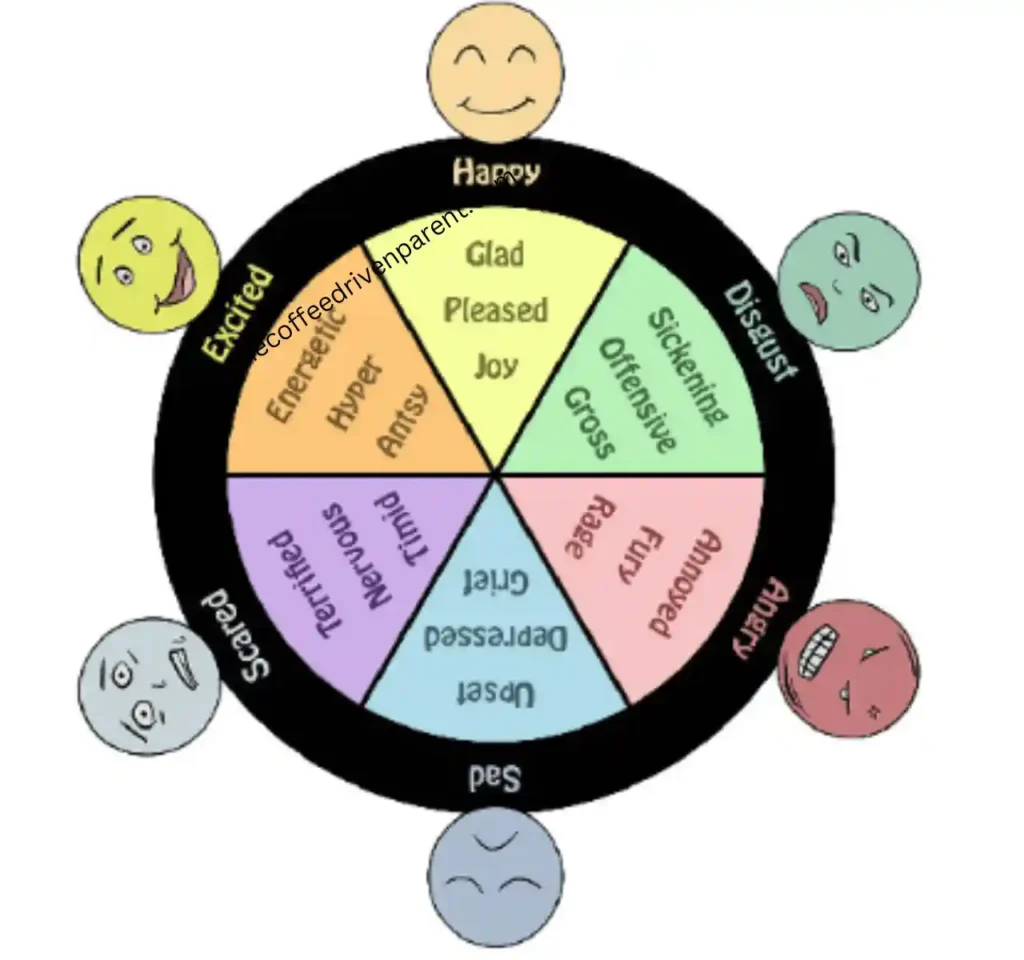
The emotion wheel for children is a useful tool for sorting emotions into core feelings and different intensities. The following are some ways that using the emotion wheel could greatly affect a child’s life:
Example 1. Daily Emotion Check-ins
Use the emotion wheel to do daily emotion check-ins. Using the wheel, ask your kid to identify or name the feelings they are experiencing. This practice helps both determine their feelings and understand the range of emotions they experience. It’s a straightforward but powerful way to develop emotional intelligence.
Example 2. Storytelling with Emotions
Use the emotion wheel to talk about the characters’ feelings during story time. “How do you think this character felt?” is one way to start a conversation. This method increases empathy and critical thinking in kids by helping them apply their knowledge of emotions across a range of situations.
Example 3. Creating Art from Emotions
Motivate kids to use colours that match the many emotions on the wheel as they paint or sketch. They can express emotions they might find difficult to say through this activity, which lowers stress and promotes creativity.
Example 4. Role-playing Games
Children can learn a lot about emotions through role-playing situations. After allowing children to select an emotion using the emotion wheel, construct a straightforward scenario in which they can role-play how someone would feel.
You may pretend, for example, that someone receives a present they’ve been longing for. Please talk about the person’s feelings and express them by acting them out, for example, by bouncing up and down with Learn. learn in a secure, supervised setting, which helps kids connect feelings to behaviours and expressions.
Example 5. Emotion Matching Game
Make a card game in which the emotion wheel represents a unique emotion on each card. Players alternately turn the cards over, spreading them face down, and attempt to match related feelings. This game helps children’s comprehension of emotional sensitivities by challenging them to examine the relationships between feelings.
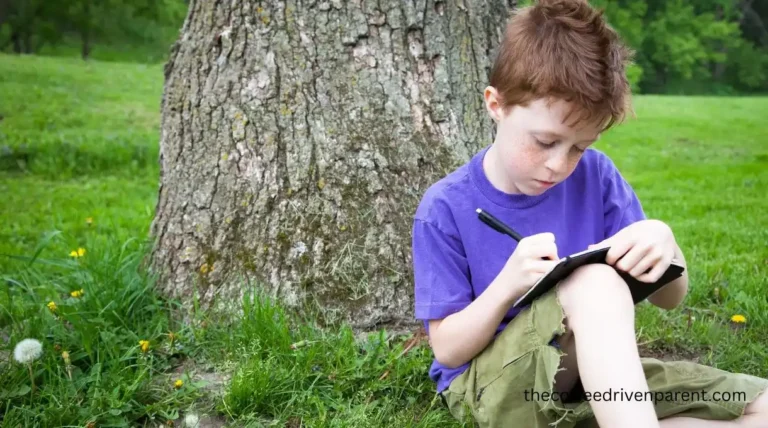
Example 6. Emotional Journaling
Allow older kids to record their feelings in a diary. To help them explain how they feel every day, they can consult the emotion wheel. Children who are more introspective or who struggle to express themselves verbally may benefit most from this activity. Children can develop more self-awareness and emotional regulation by reflecting on what triggers their emotions and how they respond when they write them down.
Example 7. Problem-solving with Emotions
Utilise the emotion wheel to teach kids to understand their own and others’ feelings when conflicts happen. Children learn how their actions affect other people when emotions are discussed in relation to a problem.
For example, if two kids are arguing over a toy, help them identify emotions like hate or annoyance, talk about other emotional reactions like sharing or composure, and come up with ideas for solutions that take those emotions into account.
Example 8. Emotion-themed Storybooks
Include activities that explore various emotions, discussing and identifying the feelings that characters may be feeling, using the emotion wheel as a reference. After reading, have kids discuss or draw how various aspects of the story affected them. This increases their capacity to empathise with others and improves their emotional vocabulary.
The examples provided not only make studying emotions enjoyable but also turn these essential concepts into engaging, memorable activities that kids can relate to. Parents and teachers can greatly improve children’s emotional intelligence and coping skills by consistently applying the emotion wheel across various areas of everyday life.
TAKEAWAY
For kids, the emotion wheel is more than simply a tool; it’s an access point to improved mental development and emotional intelligence. We can equip our kids with the tools they need to manage their emotions successfully by incorporating this tool into everyday activities. This ensures a well-rounded future by supporting not just their academic and social development but also their personal improvement.
Adopt the emotion wheel for kids and see how it alters your child’s emotional health. It’s a small step toward parenting and education that is more sympathetic and understanding.
Frequently Asked Questions about the “Emotion Wheel for Kids”
What is an emotion wheel for kids?
The emotion wheel for kids is a visual tool that helps children identify and state their emotions by categorising feelings into core sensations and various intensities.
How can the emotion wheel for kids improve emotional intelligence?
It improves emotional intelligence by providing children with the language needed to express their feelings clearly, supporting self-awareness and empathy development.
At what age should I introduce the emotion wheel to my child?
You can introduce the emotion wheel as early as preschool, around ages 3-4, when children start recognising basic emotions.
Can the emotion wheel for kids help with behavior issues?
Yes, by helping children understand and communicate their emotions, the wheel can be used to improve emotional regulation and reduce behaviour issues.
How do I teach my child to use the emotion wheel?
Start by regularly discussing emotions, using the wheel to name different feelings and talking about what each emotion feels like and how to respond to them.
Is the emotion wheel for kids suitable for children with special needs?
Absolutely, it can be particularly beneficial because it offers a visual way to understand emotions, which can be easier for children with learning differences to grasp.
What materials are needed to create an emotion wheel for kids?
You can make one with basic craft supplies like paper, markers, and a spinner, or find printable versions online.
How often should we use the emotion wheel at home?
Using it daily, such as during a routine check-in about feelings, helps make emotional discussions a natural part of your child’s day.
Can the emotion wheel be used in schools?
Yes, teachers can include it in classroom activities or as a part of social-emotional learning curricula to enhance students’ understanding of their emotions.
What are the long-term benefits of using the emotion wheel for kids?
Long-term benefits include improved emotional regulation, better interpersonal skills, and increased emotional resilience, all of which are foundational for academic and personal success.