If Your Kids Do Not Want to Talk, Try These 13 Proven Steps

As a parent, it can be frustrating and worrying when your kid does not want to talk. Many parents today are worried because kids do not want to talk anymore. They stay quiet, spend more time on screens, and avoid sharing their feelings. This silence can make parents feel helpless and confused. To know why this happens is the first step to bringing back honest conversations. With patience, love, and small changes, families can reconnect and help kids open up again.
Why Do Kids do not want to talk?
It’s common for children to go through phases where they seem withdrawn or unwilling to communicate. As much as you want to connect, their silence can make you feel powerless. The problem is not always as simple as they’re being stubborn or difficult. In fact, there are several reasons why kids do not want to talk, each of which demands a different approach.
1. Emotional Overload
Children may find it challenging to communicate their stress, yet they experience it just like adults do. They cling to their emotions rather than talking about them, whether it’s peer pressure, social anxiety, or school pressure.
Children under the age of twelve typically have difficulty processing complex emotions, which causes them to withdraw into quiet rather than talk about their thoughts, according to a study published by the American Academy of Paediatrics.
For instance, after a difficult exam or a fight with a classmate, your 10-year-old might abruptly stop talking. They retreat rather than discussing their emotions, leaving you confused about how to support them.
2. Communication Difficulties
If your 6-year-old abruptly stops talking, it could be because they lack the vocabulary to communicate their annoyance or perplexity over a recent incident.
Children can lack the ability to express themselves. This is especially true for younger children or those with delayed speech or language development. They may turn to silence if they are unable to express their thoughts or feelings.
According to the National Institute on Deafness and Other Communication Disorders, approximately 10% of American children have speech or language delays, which may affect their communication skills.
3. Developmental Changes or Growth Phases
Your 15-year-old may be negotiating the difficult transition of adolescence if they suddenly stop communicating. Home interactions may seem less significant to them, as they are more preoccupied with their classmates, school, and personal identity.
Every step of a child’s growth can lead to changes in their communication. As part of their emotional and social growth, teenagers, for example, often withdraw. Children tend to communicate less with their parents during adolescence because they want more privacy and independence.
4. Negative Past Experiences or Trauma
Your child has gone through a difficult period at home or at school, such as being bullied or witnessing familial conflict. They may now be hesitant to talk about their experiences, either because they don’t want to revisit painful recollections or because they fear being held accountable.
Some kids do not want to talk because of upsetting situations, family conflicts, or bullying. Children who encounter such challenges may become afraid to express their feelings, especially if they believe their emotions are being misunderstood. According to a National Institute of Mental Health study, traumatised children may exhibit indicators of anxiety or despair, which may lead to withdrawal and speech impairment.
5. Overstimulation or Fatigue
After a long day of socialising, football practice and school, your 8-year-old may be too exhausted to talk. Instead of being anxious, individuals may withdraw into stillness because their bodies need to rest.
When children are tired or overstimulated, they often lose interest to conversation. After a busy day of school, extracurricular activities, or socialising, kids might not have the mental or physical energy to engage in a conversation.
The Impact of Silence when Kids do not want to talk
Your child’s silence can act as a barrier between you and them. Frustration, anxiety, and a feeling of alienation might result from it. As a parent, you want to help your child in processing their feelings, but you may not know where to start.
Failing to confront this silence may have serious consequences. Kids who do not want to talk may internalise their feelings, which can result in anxiety, nervousness, or even despair. Additionally, they may struggle to interact with others, which could impact their friendships and academic performance.
Furthermore, it might be challenging to understand your child’s requirements when there is a communication gap between you and them. Children who feel cut off from their parents are more likely to participate in dangerous activities or experience behavioural problems as they get older, according to a Child Development Institute study.
For instance, your kids do not want to talk may appear harmless at first, but over time, this behaviour may have an impact on your relationship. If they continue to withdraw, they may begin to feel uncomfortable talking to you, which could make future conversations more difficult.
How to Encourage Your Child to Open Up
Understanding why kids do not want to talk is the first step toward helping them. However, knowing what to do next is equally important. Here are some strategies you can use to encourage communication with your child:
1. Create a Safe and Non-Judgmental Space
Children must feel free to express themselves without worrying about being judged. Allow your child to communicate and establish a space where they feel respected and comfortable. This involves actively listening without interjecting, condemning, or giving uninvited counsel.
Say something like, “I can see you’re feeling down,” rather than proposing solutions right away if your child is upset. If you want to discuss it, I’m available.” This demonstrates your willingness to listen without feeling obligated.
2. Give Them Time
Sometimes, the best thing you can do is wait. Pressuring a child to talk when they’re not ready can make them feel overwhelmed and even more reluctant to communicate. Instead, please give them the space they need to process their emotions, while reminding them that you’re available whenever they’re ready.
If your teen shuts down after a stressful school day, don’t force them to talk immediately. Instead, let them know you’re there when they’re ready: “I’m here if you need me, no rush to talk.”
3. Use Fun and Creative Ways to Communicate
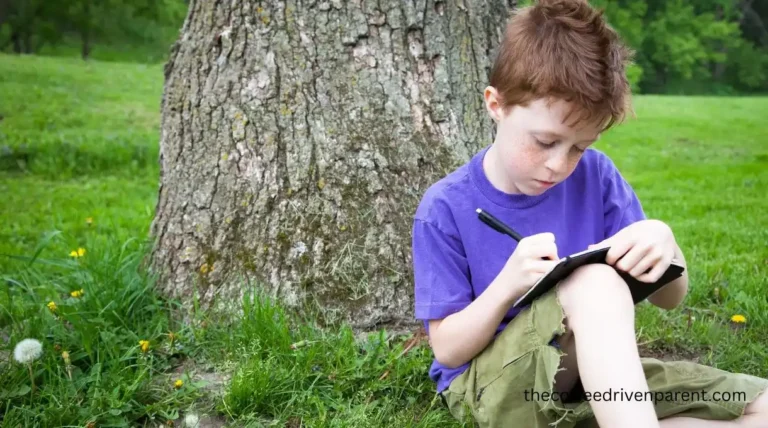
If your child has trouble expressing themselves verbally, consider providing them with alternative ways to communicate their thoughts and feelings. They can express their thoughts through writing, drawing, or even playing games. Children who struggle to communicate their emotions can benefit significantly from artistic outlets, according to research from the University of California.
Motivate your kids to sketch or write about their day in a journal. When words seem too challenging to come up with, they might sometimes open up by expressing themselves through writing or art.
4. Have Routine Conversations
Include communication in your everyday activities. Make time every day for informal discussions to help kids feel more at ease. This could happen at sleep, at family meals, or while driving. These regular discussions can eventually build trust and motivate children to share more.
Every night, set aside ten minutes to ask your child about their day. Instead of probing, the intention is to cultivate an open dialogue habit that may ultimately lead to more in-depth discussions.
5. Help Them Find the Right Words
Sometimes, children may be reluctant to talk because they struggle to articulate their emotions clearly. Teaching children vocabulary related to their feelings, such as joy, frustration, worry, or pride, can be helpful. It’s easier for children to express their feelings when you name them together, rather than holding them inside.
6. Encourage Your Child to Be Quiet.
It’s common for children to experience periods of not wanting to talk. Although it’s simple to feel irritated or disengaged, it’s necessary to address the problem with patience and understanding. Identify the causes of children’s hesitation to speak, and by using the correct methods, you may establish a nurturing atmosphere that encourages open dialogue.
Silence doesn’t always mean something is wrong. It’s a phase, and with the right approach, your child will eventually open up when they’re ready.
7. Connect Through Everyday Moments
When you and your child have a close relationship, it’s natural for you to open up to each other. Set aside time for enjoyment, humour, and those few moments of affection. Play a game, hang around, or share a snack. Your youngster is more inclined to talk about their thoughts when they feel comfortable with you. Small, commonplace things are what create trust and give them a sense of security when speaking with you.
8. Use activities that inspire conversation
Walking, cooking, crafting, or sitting in the car are examples of side-by-side activities that can sometimes make speaking seem less intense. The activity relieves some of the pressure because they don’t have to look you in the eye or feel like they are the centre of attention.
9. Watch your reactions
Try to remain composed when your child opens up, even if what they tell you surprises or irritates you. Future conversations may end if they think your response will be too harsh or judgmental.

10. Create small routines of connection.
Choose a little period each day to stop and check in, perhaps before bed, in the car, after school or during snack time. These rituals gradually convey to your youngster, “This is our time together, and I’m here.”
11. Ask questions that can’t be answered with “yes” or “no”
If you asked, “How was your day?” “Yes” is probably what you’ll hear back. Try asking, “What was the funniest thing that happened today?” instead, or “What gave you a sense of pride today?” That makes it possible to have a meaningful conversation.
12. Use “door-opener” phrases.
Instead of jumping straight into deep questions, try simple, open phrases like, “That’s interesting…” or “Tell me more about that.” These show you’re listening and you care about what they say
13. Professional Help When Necessary
It can be worthwhile to get outside help if your child’s quiet continues for a long time or appears to be connected to more serious emotional issues. Your child can learn better communication techniques and work through their feelings with the help of a counsellor or therapist.
A child psychologist can provide specific guidance and resources to help your kid express themselves more openly if their withdrawal appears to be caused by trauma.
Frequently Asked Questions (FAQ) About Kids Who Do Not Want to Talk
Why my kid does not want to talk?
Children may withdraw for reasons like emotional stress, communication difficulties, or developmental changes. It’s essential to consider their age, experiences, and the environment. Give them time and create a safe, supportive space for them to open up when ready.
How can I encourage my child to talk who does not want to talk?
Encourage open conversations by being patient and offering a non-judgmental space. Create daily opportunities for casual chats and validate their feelings, so they feel safe discussing their thoughts without fear of criticism.
Should I worry if my child doesn’t want to talk?
Occasional silence is usual, but if it lasts for an extended period, it’s essential to explore underlying causes such as stress or emotional challenges. Ensure your child feels supported, and consider talking to a professional if needed.
What are the signs my child is struggling emotionally?
Emotional struggles may show as withdrawal, irritability, sudden changes in behaviour, or a lack of interest in activities. Look for signs of anxiety, sadness, or stress and approach the child with empathy to understand their feelings.
Can kids’ silence be linked to bullying?
Yes, silence can often be a result of bullying or trauma. Children who face bullying may retreat inwardly, making it hard for them to express themselves. Encourage open dialogue and consider professional support if bullying is suspected.
What should I do if my teenage kid does not want to talk?
Adolescents often pull away as they seek more independence. Be patient, offer understanding, and respect their space while maintaining open lines of communication. Let them know you are there to listen when they are ready.
How do I talk to my child when kids do not want to talk?
Approach them gently and without pressure. Use non-invasive methods, like offering creative outlets (drawing, journaling). Make sure they feel your presence and openness without forcing them to speak.
Can a lack of communication affect a child’s mental health?
Yes, prolonged silence and emotional withdrawal can lead to anxiety, depression, or low self-esteem. Ensuring that your child feels heard and understood can prevent these effects and improve mental well-being.
Why kids do not want to talk to their parents?
Kids may stop talking to their parents due to increased independence, peer influence, or emotional struggles. It’s essential to remain patient, show unconditional love, and avoid pressuring them to communicate when they’re not ready.
How do I deal when my kid does not want to talk?
Understanding and validating their emotions is crucial. Don’t push them to talk immediately, but offer comfort and gentle prompts when appropriate. If withdrawal persists, seek advice from a child psychologist for deeper support.
Why do kids do not want to talk?
Children often remain quiet because they feel scared, tired, or unsure about how to express their feelings. Sometimes they worry you’ll be upset or won’t understand. Creating a calm, safe space helps them feel comfortable enough to open up at their own pace.
Is it normal if kids do not want to talk sometimes?
Yes, it’s completely normal. Every child has quiet phases, especially after school or when tired. They might need time to process their day before sharing. As long as they still connect with you in other ways, it’s usually nothing to worry about.
How can I help when kids do not want to talk about their feelings?
Show understanding instead of pushing for answers. Say things like, “It’s okay if you don’t want to talk right now. I’m here when you’re ready.” This builds trust. Maintain routines, stay calm, and model discussing your own emotions.
What are the signs that kids do not want to talk because something’s wrong?
Look for changes in behaviour, like being unusually quiet, avoiding eye contact, or losing interest in things they enjoy. These signs might mean something’s bothering them. Gently ask if they’re okay and let them know you’ll listen without judgment.
How can teachers help when kids do not want to talk at school?
Teachers can create a safe and welcoming space where children feel seen. Using calm tones, gentle check-ins, and group activities helps shy kids feel comfortable. Avoid putting them on the spot. Small daily encouragements build confidence over time.
What should I avoid when kids do not want to talk?
Avoid forcing them, interrupting, or showing frustration. Don’t lecture or make them feel guilty. Instead, give space and offer simple comfort like, “I’m here if you want to talk later.” Patience and kindness work better than pressure.