
10 Powerful Stretching Exercises for Kids That Boost Flexibility Instantly
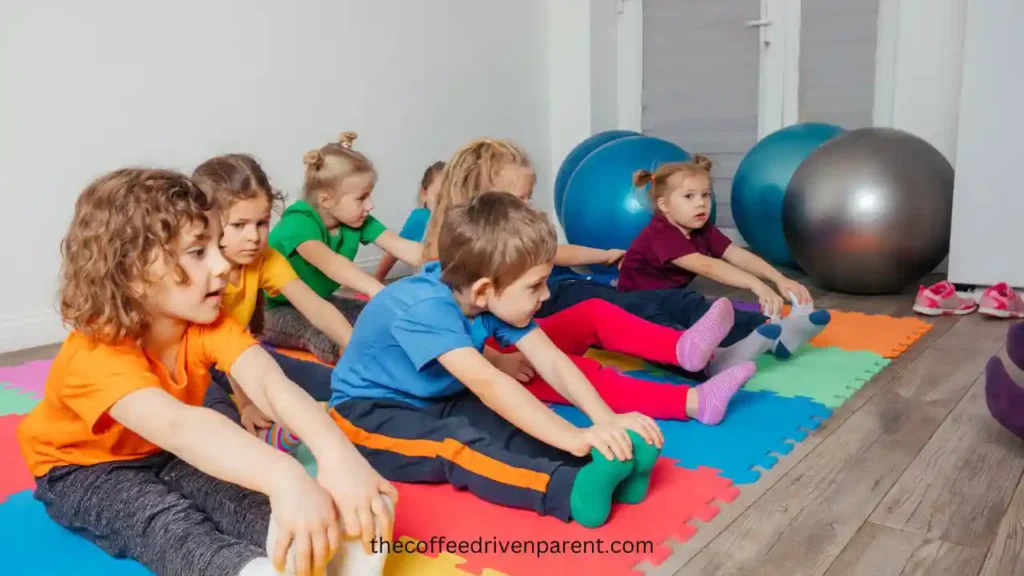
We all want our children to stay active and healthy. But it’s easy to overlook the value of regular physical activity in the modern age, where many kids spend hours in front of laptops and cellphones. Stretching exercises for kids may not be the first thing that springs to mind, but they should be.
If you’ve been wondering how to get your kids moving in a way that’s both enjoyable and productive, then follow the article.
Kids Don’t Want to Move Enough
While modern technology has made life easier, it has also reduced children’s physical activity levels. A World Health Organization (WHO) survey found that more than 80% of teenagers do not engage in the daily recommended level of physical activity for children. Whether at school, doing homework, or playing video games, most kids sit for more than 6 hours a day.
When they play sports or engage in physical activities, this lack of movement can lead to issues such as reduced flexibility, muscle weakness, and an increased risk of injury. Many parents are unaware that children need targeted exercises, such as stretching, to maintain their physical health; playtime alone is not enough to keep them fit.
Why Lack of Stretching exercises for kids is a Big Issue
After playing or even after a brief period of sitting, your youngster may complain of stiffness or soreness, as you may have observed. This suggests their muscles lack the necessary flexibility. Children who lack the flexibility required may grow up with poor posture and possibly chronic joint issues. Additionally, they are more likely to get injuries from sports or even recreational play when their muscles are tight.
A child’s academic performance is also impacted by irregular stretching. Their levels of focus and concentration may suffer if they don’t exercise. According to a study published in the Journal of Strength and Conditioning Research, stretching for even brief periods before school activities will improve cognitive function. To put it another way, stretching exercises for kids improve their physical and mental health.
It might be time to add stretching exercises to your child’s routine if you’ve noticed they struggle with posture or lack flexibility. The good thing is that you can start at any time.
10 Stretching Exercises for Kids
Now that you are aware of the issue, let’s look at some simple stretching exercises for kids. To begin, neither specialized equipment nor a gym membership is required. The following list of simple stretches will help your child become more flexible, have better posture, and be healthier overall:
This stretch targets the hamstrings and lower back. Here’s how to do it:
- Stand with feet shoulder-width apart.
- Reach down and try to touch your toes, keeping your legs straight.
- Hold the position for 10-15 seconds, then slowly return to the starting position.
This stretch helps in releasing tense lower back and hamstring muscles. Extending the spine can also help with posture. This can become a regular stretch in the morning. To help activate the muscles, have your youngster touch their toes a few times before school.
2. Butterfly Stretch
This stretch targets the inner thighs and hips. To do it:
- Sit on the floor and bring your feet together so the soles touch.
- Hold your feet with both hands and gently press your knees toward the ground.
- Hold for 15-20 seconds.
The butterfly stretch can ease muscular tension and increase hip flexibility, particularly after extended hours of sitting. While reading or watching TV, encourage your youngster to perform this stretch. Without interfering with their day, it’s a simple method to get them moving.
3. Cat-Cow Stretch
The cat-cow stretch is a fun way to loosen up the spine and improve posture. Here’s how it works:
- Start on all fours with your hands directly under your shoulders and knees under your hips.
- Inhale as you drop your belly toward the floor (cow pose) and exhale as you arch your back toward the ceiling (cat pose).
- Repeat 5-10 times.
This dynamic stretch helps avoid stiffness and improves spine flexibility. It can be done with your child before bed or after school to release tension that has built up throughout the day.
4. Child’s Pose
This gentle stretch targets the back, hips, and legs. To perform it:
- Kneel on the floor with your toes together and knees apart.
- Lower your chest toward the ground and stretch your arms forward.
- Hold the position for 15-20 seconds.
The stretch helps lengthen the spine, reduce back strain, and improve posture. After a long day of physical activity, this is a fantastic stretch to help you chill out. It’s simple and soothing.
5. Wall Push-Ups
This exercise strengthens the arms, chest, and shoulders while also improving flexibility. Here’s how to do it:
- Stand about an arm’s length away from a wall.
- Place your palms flat on the wall at shoulder height.
- Lower your body toward the wall, bending your elbows, and then push back up.
Wall push-ups strengthen and coordinate the arms while targeting the upper body. A great way to improve both your strength and flexibility is to do wall push-ups. A regular regimen of short, five-minute workouts can include them.
6. Superman Stretch
- With your arms out in front of you, lie face down on the floor. Maintain a straight posture, raise your arms, chest, and legs as high as you can, then hold for ten to fifteen seconds.
- This stretch improves posture while strengthening the core and back muscles.
7. Side Stretch
- Place your feet shoulder-width apart and stand tall. Maintaining a straight torso, softly bend to the other side while reaching one arm overhead. Repeat on the opposite side after holding for 10 seconds.
- This exercise improves general flexibility by stretching the lower back, hips, and sides.
8. Neck Stretch
- Maintain a straight back while standing or sitting. Bring your ear to your shoulder by slowly tilting your head to one side. Repeat on the opposite side after holding for ten to fifteen seconds.
- Shoulder and neck strain can be reduced with this easy stretch.
9. Lunge Stretch
- Maintain your back heel off the ground and your back leg straight, then take a single stride forward into a lunge. After 15 to 20 seconds of holding your hips forward, switch legs.
- This exercise increases lower-body strength and flexibility by stretching the quadriceps and hip flexors.
10. Reach and Twist
- Maintain a shoulder-width distance between your feet. While maintaining your hips stationary, progressively twist your torso to one side by reaching your arms overhead. Repeat on the opposite side after holding for ten to fifteen seconds.
- This improves posture and rotation flexibility by stretching the torso, shoulders, and spine.
How to Make Stretching exercises for kids Fun
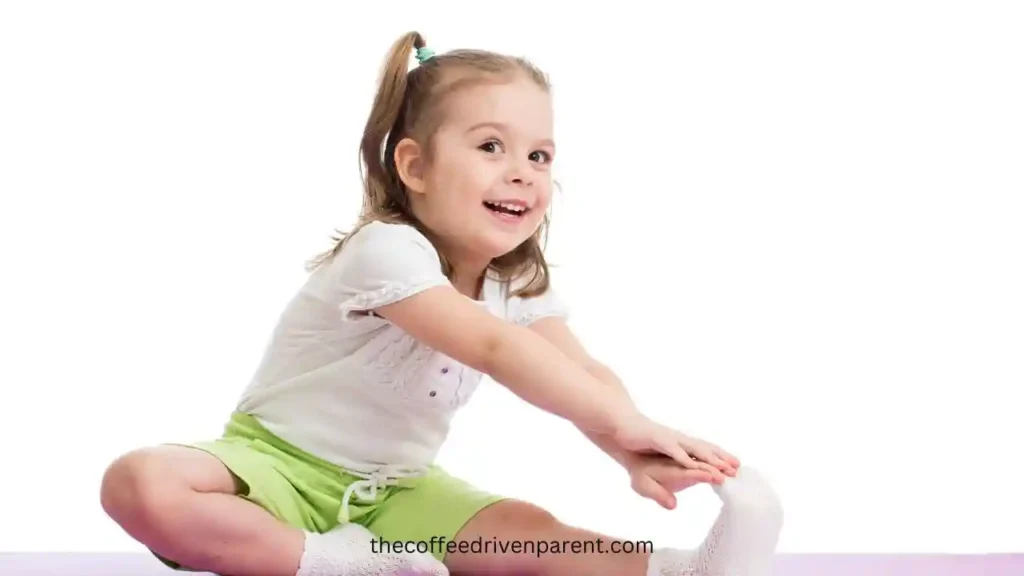
Stretch exercises for kids don’t have to be a struggle. Here are some tips to keep them engaged:
- Incorporate games. Turn stretching into a game by challenging your child to hold the stretch for as long as possible or count to 10 while holding a position.
- Use music. Play fun music during the stretching session to make it feel like a dance party.
- Stretch together. Kids are more likely to participate if they see you doing it too. Make stretching a family activity.
- Offer rewards. Use a sticker chart to track progress and offer a small reward when they complete a week of stretching exercises.
The Benefits of Stretching Exercises for Kids
If you’re still wondering why stretching exercises for kids are so important, here’s a summary of the benefits:
- Improved Flexibility. Stretching increases muscle flexibility, which is essential as children grow.
- Better Posture. Stretching helps improve alignment, reducing slouching and promoting a taller, more confident stance.
- Reduced Risk of Injury. Regular stretching makes muscles and joints more flexible, reducing the risk of injury during physical activity.
- Increased Blood Flow. Stretching improves circulation, which can help boost energy and focus throughout the day.
- Stronger Muscles and Joints. Stretching helps strengthen muscles and maintain joint health by keeping joints flexible.
Getting Started with Stretching
It doesn’t have to be hard to do stretching exercises with kids regularly. Make it an enjoyable and engaging hobby by starting slowly with easy exercises. Your child’s posture, flexibility, and even how they feel before and after physical activity will all improve with time.
Stretching exercises for kids don’t have to be difficult. You can help prepare your child for a lifetime of good habits by incorporating a few easy stretches into their daily routine. Stretching may be a fun and fulfilling part of their day, whether they do it before school or as a cool-down after play.
FAQs about Stretching Exercises for Kids
What are the benefits of stretching exercises for kids?
Children’s flexibility, posture, and muscular coordination all improve as they stretch. Kids feel more energized because it improves blood circulation, lessens muscle stiffness, and helps prevent injuries. Additionally, it can enhance focus, particularly during sports or school-related activities.
How often should kids stretch?
At least three to four times a week, kids should stretch. Maintaining flexibility and avoiding muscular stiffness or injury can be achieved by incorporating stretching into their daily practice, particularly before and after physical exercise.
Are stretching exercises for kids safe?
When done correctly, stretching is safe for children. Always concentrate on slow, gentle motions and refrain from pushing them to expand beyond their comfort level. To prevent injuries, supervision is crucial, especially when working with younger children.
Can stretching help with my child’s posture?
Yes, regular stretching helps improve posture by strengthening muscles and increasing spine flexibility. It can reduce slouching and give a more upright, confident stance, especially after long periods of sitting.
What are some stretching exercises for kids?
Simple stretches like toe touches, butterfly stretch, and the cat-cow stretch are great for kids. These stretches target different muscle groups and can be done anywhere. Ensure they’re fun and easy to follow for better engagement.
How long should kids hold a stretch?
Kids should hold stretches for 15-20 seconds, repeating 2-3 times. For younger children, it’s fine to keep it shorter (5-10 seconds). Focus on gradual, controlled movements to avoid overstretching.
Can stretching exercises for kids prevent injuries?
Yes, stretching can prevent injuries by warming up muscles and improving flexibility. Stretching before and after physical activity helps increase joint mobility and reduce muscle stiffness, lowering the risk of strains and sprains.
What stretching exercises can help kids with tight muscles?
Stretching exercises for kids, like the hamstring stretch, child’s pose, and butterfly stretch, can help relieve tightness in the back, legs, and hips. These gentle, effective stretches can be performed regularly to ease muscle tension.
When is the best time for kids to stretch?
The best time to stretch is after a light warm-up, like walking or jogging. Stretching before or after physical activities (such as sports or playtime) helps prevent injuries and keeps muscles flexible.
Can stretching exercises for kids improve a child’s flexibility?
Yes, regular stretching increases muscle elasticity and joint range of motion, improving flexibility. Consistency is key—daily stretches, especially those targeting the legs, back, and shoulders, help maintain and improve flexibility over time.
#StretchingexercisesForKids #KidsFitness #KidsStretching #HealthyKids #FlexibilityForKids #ActiveKids #ParentingTips #KidsHealth #InjuryPrevention #StretchingRoutine #KidsExercise #FamilyFitness #PostureCorrection #ChildWellness #GrowingStrong