How Emotional Intelligence in Early Age Builds Stronger, Happier Children

Learning about Emotional intelligence in early age is often overlooked. When we think of intelligence, we usually picture academic success or cognitive ability. However, emotional intelligence, especially in children, affects their well-being, social interactions, and overall success in life.
Learning about Emotional Intelligence is Often Ignored in Early Childhood
Many parents, educators, and caregivers tend to focus solely on a child’s academic achievements, expecting good grades and cognitive development to be the ultimate sign of success. This leads to the neglect of emotional intelligence at an early age. While academic skills are essential, they are not enough for a child to succeed in life. Emotional intelligence, which involves understanding, managing, and expressing emotions, is just as critical, if not more so.
A study conducted by the University of California, Berkeley, found that children with higher emotional intelligence tend to perform better in school, have more positive social interactions, and cope with stress more effectively. However, emotional intelligence isn’t something children are naturally born with; it needs to be developed. Unfortunately, many children lack the guidance and support they need to build these emotional skills.
The Impact of Low Emotional Intelligence at an Early Age
If emotional intelligence is not nurtured in early childhood, it can lead to many challenges. Children who lack emotional intelligence may struggle to manage their emotions, leading to frustration, anger, and difficulty in social situations, as well as behavioural problems at home, in school, or with friends. As the kids don’t know how to express their feelings in healthy ways, they may face communication barriers that affect their ability to develop strong relationships.
Low emotional intelligence at an early age also has long-term consequences. Research shows that children who struggle with emotions are at higher risk of developing mental health issues, such as anxiety and depression, later in life. Without proper emotional guidance, children face difficulties in adulthood, including in relationships and the workplace.
For example, children who can’t manage their anger often lash out at others, creating tension in their social circles. On the other hand, children who understand their feelings and can articulate them are more likely to experience positive social interactions and develop better coping mechanisms when faced with challenges.
How to Nurture Emotional Intelligence at an Early Age
Developing emotional intelligence in early childhood may seem complex, but in children, it can be rewarding and straightforward.
Encourage Emotional Awareness
The first step in developing emotional intelligence at an early age is helping children become aware of their emotions. Most young children don’t have the vocabulary to express their feelings when an emotion surfaces, so it helps them identify what they’re feeling in the present moment. You can do this by labelling emotions during everyday situations.
For example, if your child is upset because they lost a toy, you might say, “I can see you’re feeling frustrated because you can’t find your toy.” This helps children understand and recognise their emotions.
As children get older, encourage them to use words to describe their feelings. This builds emotional vocabulary, helping them articulate their emotions and reducing the likelihood of outbursts. A study published in Frontiers in Psychology found that children who are encouraged to identify and label their emotions are more likely to regulate their feelings effectively as they grow older.

Model Emotional Regulation
Children learn by example, and the way you manage your emotions sets the stage for how they will learn to cope with their feelings. It’s essential to model emotional regulation, especially during stressful or challenging situations. For instance, if you’re feeling frustrated, instead of reacting impulsively, try calming yourself down and explaining your emotions. You might say, “I’m feeling frustrated because this task is hard. I’m going to take a deep breath and come back to it later.”
Acting this way, you teach your child that it’s okay to experience intense emotions, how to manage them healthily, and crucial coping mechanisms. Children who observe adults handling emotions calmly are more likely to adopt similar strategies. The task is to act in front of them, because your child only learns what you model.
Create Opportunities for Empathy
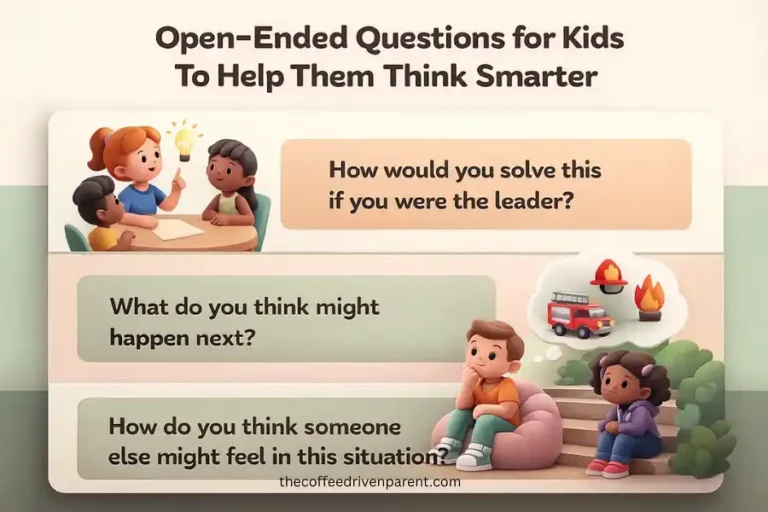
Empathy is a key component of emotional intelligence, and it can be nurtured from an early age. Please encourage your child to consider others’ feelings, especially when interacting with others. For example, if a friend is sad because they lost a toy, prompt your child to think about how their friend feels. Ask them, “How do you think your friend feels right now? What can you do to make them feel better?”
You can also introduce empathy through books, movies, or stories that feature characters who go through emotional experiences. Ask your child questions like, “How do you think that character felt when that happened?” This helps them relate to others’ emotions and strengthens their ability to understand and empathise with different perspectives.
Teach Problem-Solving Skills
Children need to know how to handle conflicts and challenges effectively. Instead of immediately stepping in to resolve problems, let your child try to solve them on their own. This helps build their confidence and decision-making skills. If your child is upset about a disagreement with a friend, encourage them to think about possible solutions. Ask, “What could you do to fix this situation?” or “How would you like to feel after this problem is resolved?”
Keep guiding them through the problem-solving process, and teach them that challenges can be overcome calmly and thoughtfully.
Praise Efforts, Not Just Results
Praise plays a significant role in developing emotional intelligence. It’s essential to praise not just the outcomes of a child’s actions but also the effort they put into dealing with their emotions. For example, if your child calmly talks through their frustration instead of acting out, praise that behaviour: “I’m really proud of how you used your words to explain how you were feeling.” This reinforces the importance of emotional control and encourages them to keep practising these skills.
A study in the Journal of Child Development found that praising children for their effort and emotional growth rather than just their achievements helps develop a growth mindset, which is linked to better emotional regulation and resilience.
Use Games to Teach Emotional Intelligence
Incorporating games into your child’s daily routine can be a fun and effective way to build emotional intelligence. Games that require turn-taking, such as board games or cooperative play, teach children patience, self-control, and social awareness. Role-playing games are also helpful. They allow children to practice responding to different emotional scenarios and learn to manage feelings such as joy, sadness, and frustration.
For example, a game in which your child pretends to be a character who feels sad or happy can help them practice empathy and emotional recognition. These fun activities not only make learning about emotions enjoyable but also give children practical tools for expressing and regulating emotions.
Foster Strong Relationships with Peers
Lastly, emotional intelligence at an early age is greatly influenced by the relationships children build with their peers. Encourage your child to engage in group activities, share with others, and resolve conflicts peacefully. Positive social interactions help children develop critical social skills, like communication, cooperation, and conflict resolution.
Encouraging friendships at an early age sets the stage for healthy social development and emotional understanding. A study showed that children who engage in positive peer relationships tend to have higher emotional intelligence and better social adjustment in adulthood.
Emotional Intelligence is the Key to Success at an Early Age
Emotional intelligence at an early age is not just a “nice-to-have” skill. It’s a fundamental part of a child’s emotional, social, and cognitive development. Teaching your child emotional awareness, empathy, problem-solving, and regulation sets them up for lifelong success in their personal and professional relationships.
The more we focus on nurturing emotional intelligence, the better equipped our children will be to navigate life’s challenges. With small, consistent steps, you can help your child develop a strong emotional foundation that will carry them through the challenges of childhood and beyond. The earlier you start, the better the results. It’s never too early to invest in your child’s emotional growth.
Frequently Asked Questions (FAQs) ABOUT
What is emotional intelligence at an early age?
Emotional intelligence in early age refers to a child’s ability to recognise, understand, and manage their own emotions, as well as to recognise, understand, and influence the feelings of others.
Why is learning about emotional intelligence at an early age critical for children?
Children with high EI tend to have better social skills, perform better academically, and exhibit fewer behavioural problems.
At what age can emotional intelligence be developed?
EI development begins in infancy and continues through early childhood.
How can parents foster their children’s emotional intelligence?
Parents can model emotional awareness, validate feelings, and teach coping strategies to support EI development.
What are the signs of high emotional intelligence in early-age children?
Signs include recognising and naming emotions, showing empathy, and using appropriate coping mechanisms.
Can emotional intelligence at an early age be improved in children?
Yes, EI can be developed through intentional teaching and practice.
How does emotional intelligence at an early age affect academic success?
High EI contributes to better focus, resilience, and collaboration, thereby improving academic performance.
Is emotional intelligence at an early age more important than IQ?
While IQ measures cognitive abilities, EI is crucial for emotional well-being and social success.
What role do educators play in developing emotional intelligence?
Educators can create emotionally supportive environments and teach social-emotional skills.
How can emotional intelligence at an early age be assessed in children?
Assessment can be done through observations, behavioural checklists, and emotional literacy tools.